Packing
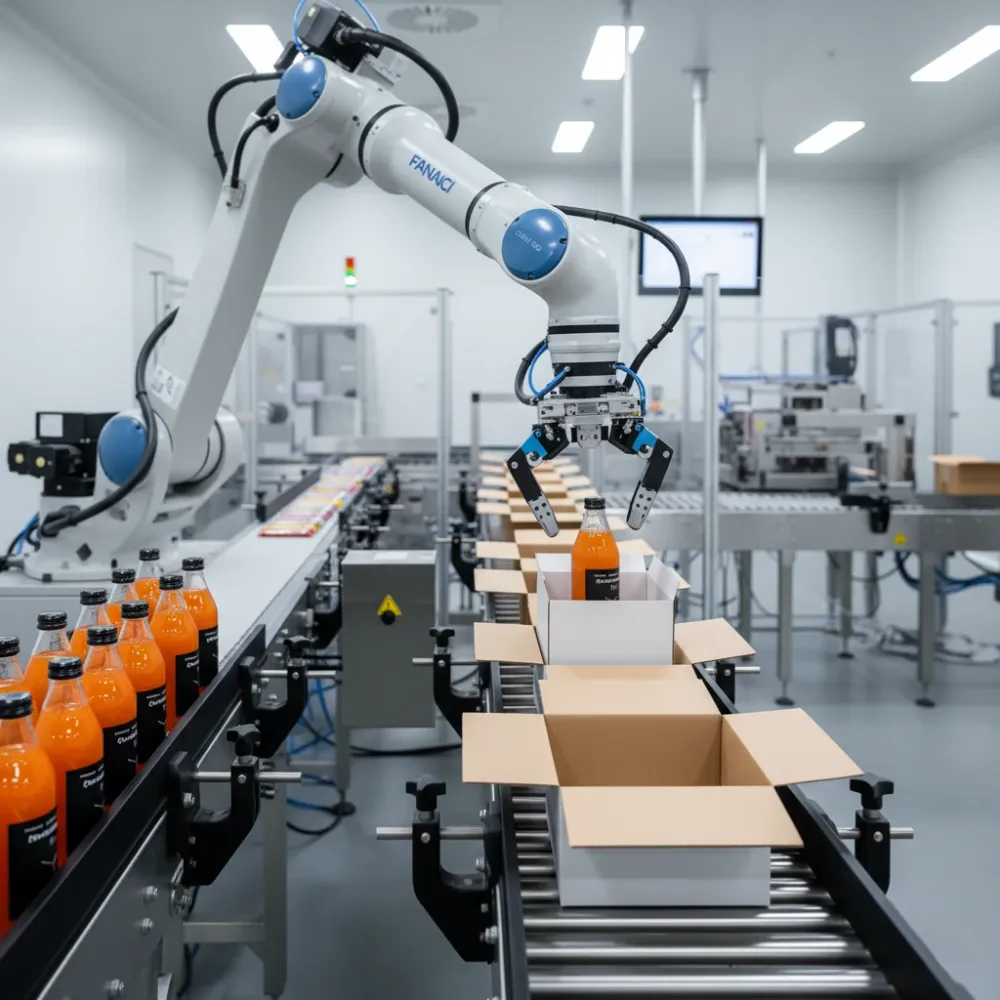
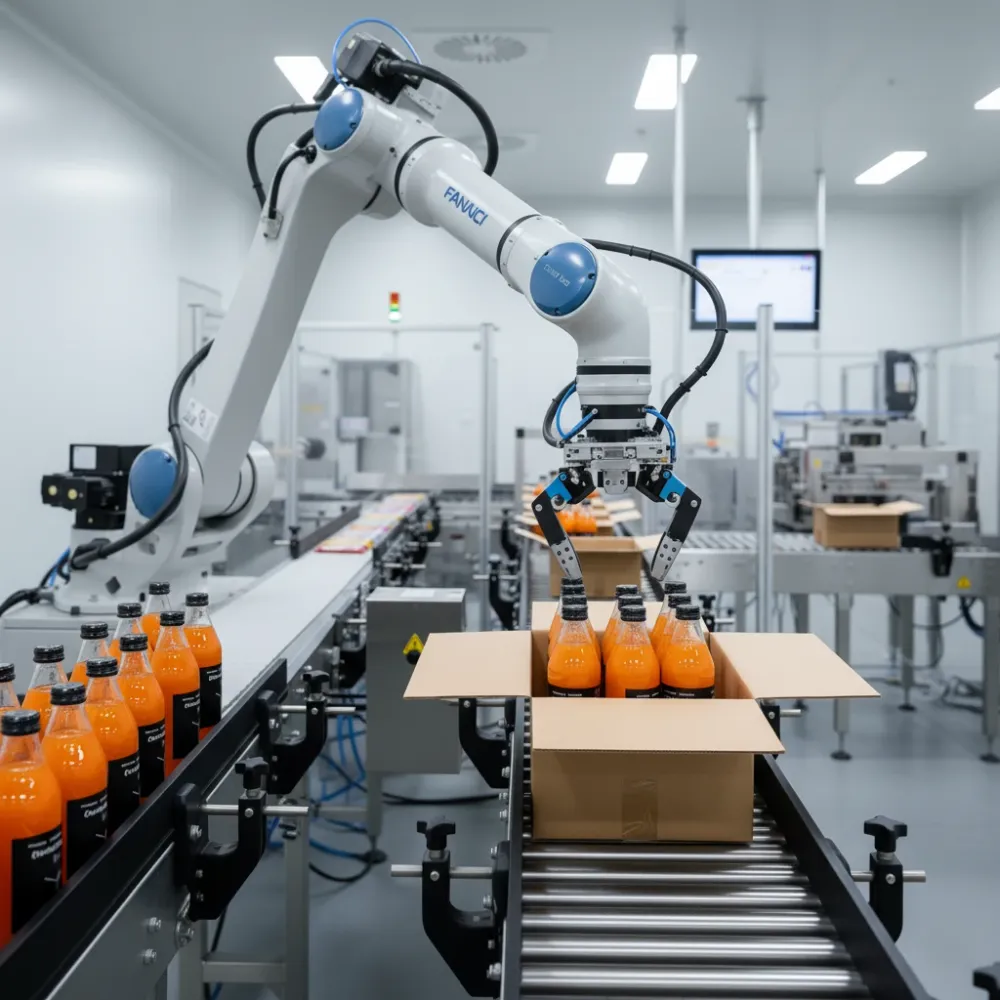
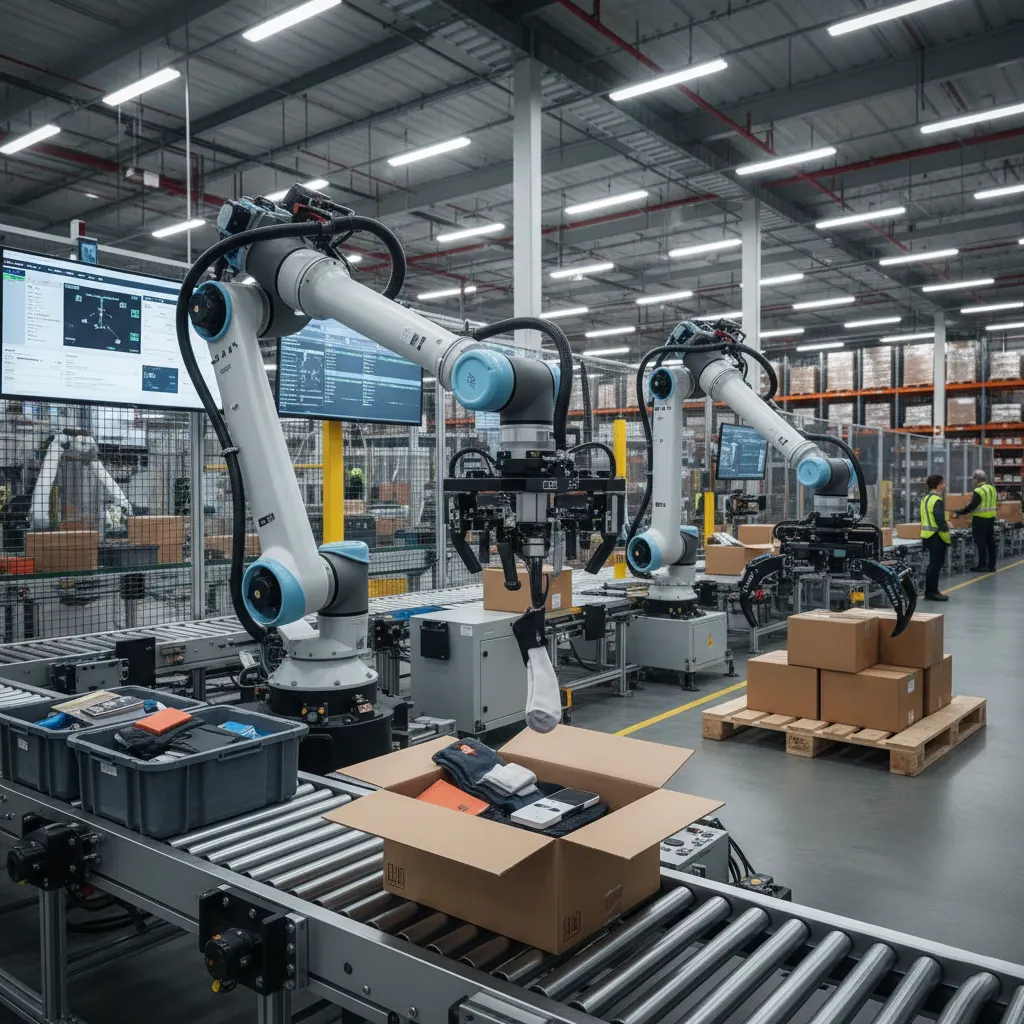
Load product into cartons, neatly and in order, working out how to fit each order on the spot.
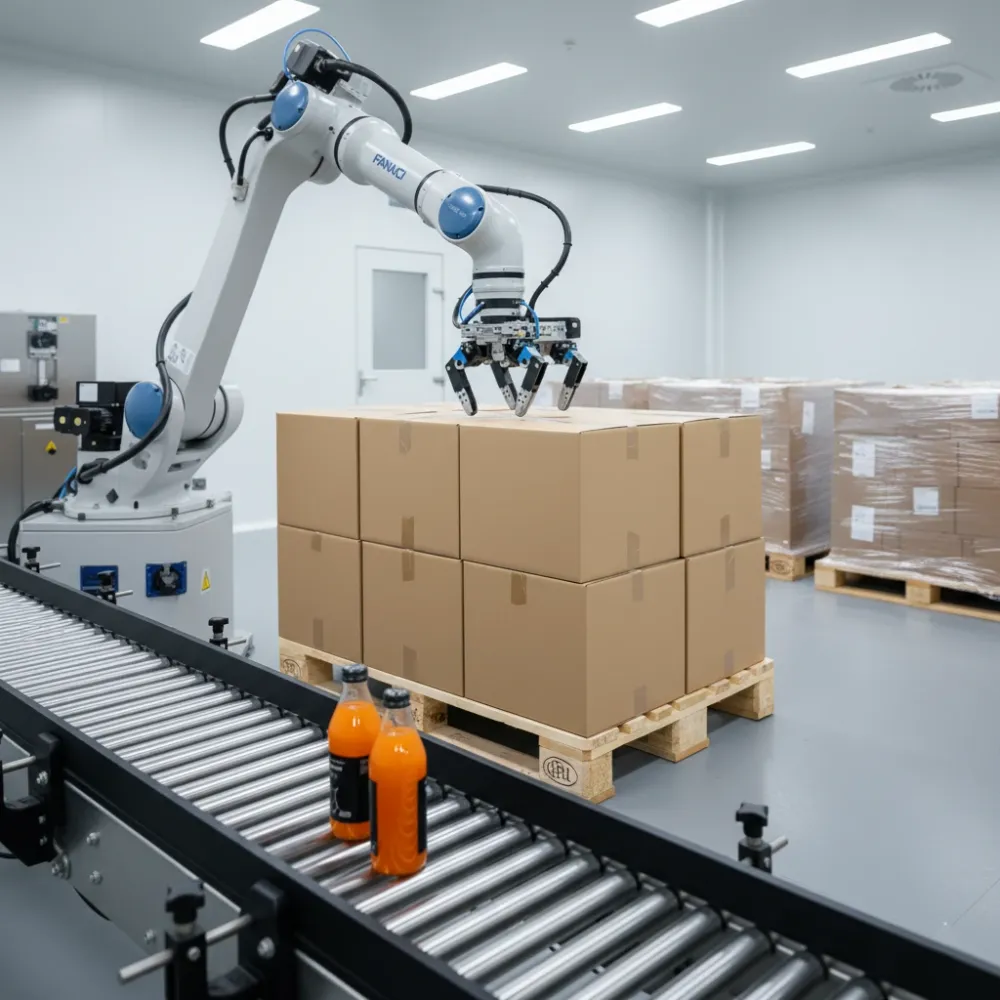
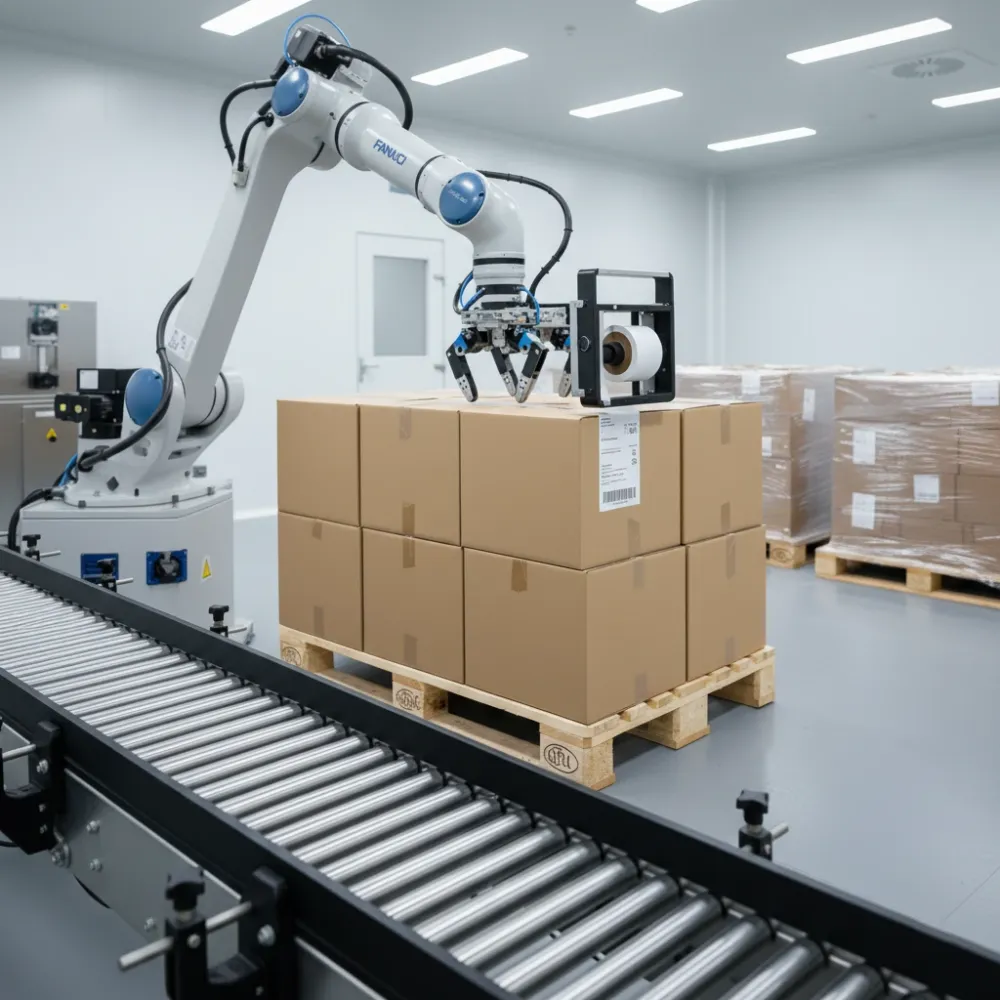
State the order, the product, and the carton, and ThRiVer works out how to fit the items and places them one by one. When the order changes, it works out a new layout while it runs, with no fixed recipe and no re-programming.
Soft, deformable items placed into a carton in order, with the layout worked out for that order rather than from a recipe.
How ThRiVer runs it.
What it delivers.
How it handles the hard cases.
A demo runs once. Production runs all shift. ThRiVer is built to keep going when an item is not where it should be.
The order changes
State a new order and the cell works out a new layout while it runs, with no new recipe and no re-programming.
Items do not sit perfectly
For soft or awkward items, ThRiVer plans placements that settle into the carton instead of assuming a rigid box.
Every carton is recorded
Each pack cycle logs time and success, so you can tune throughput per order type.
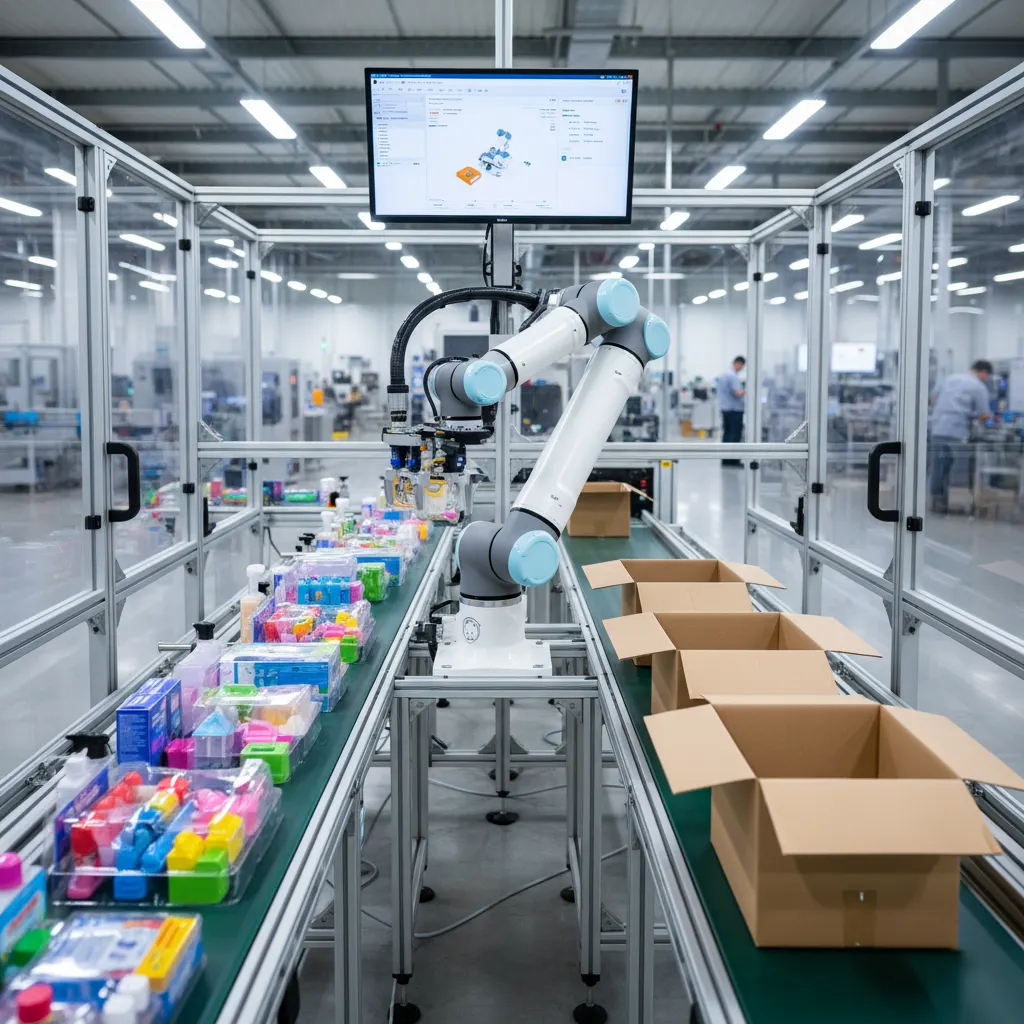
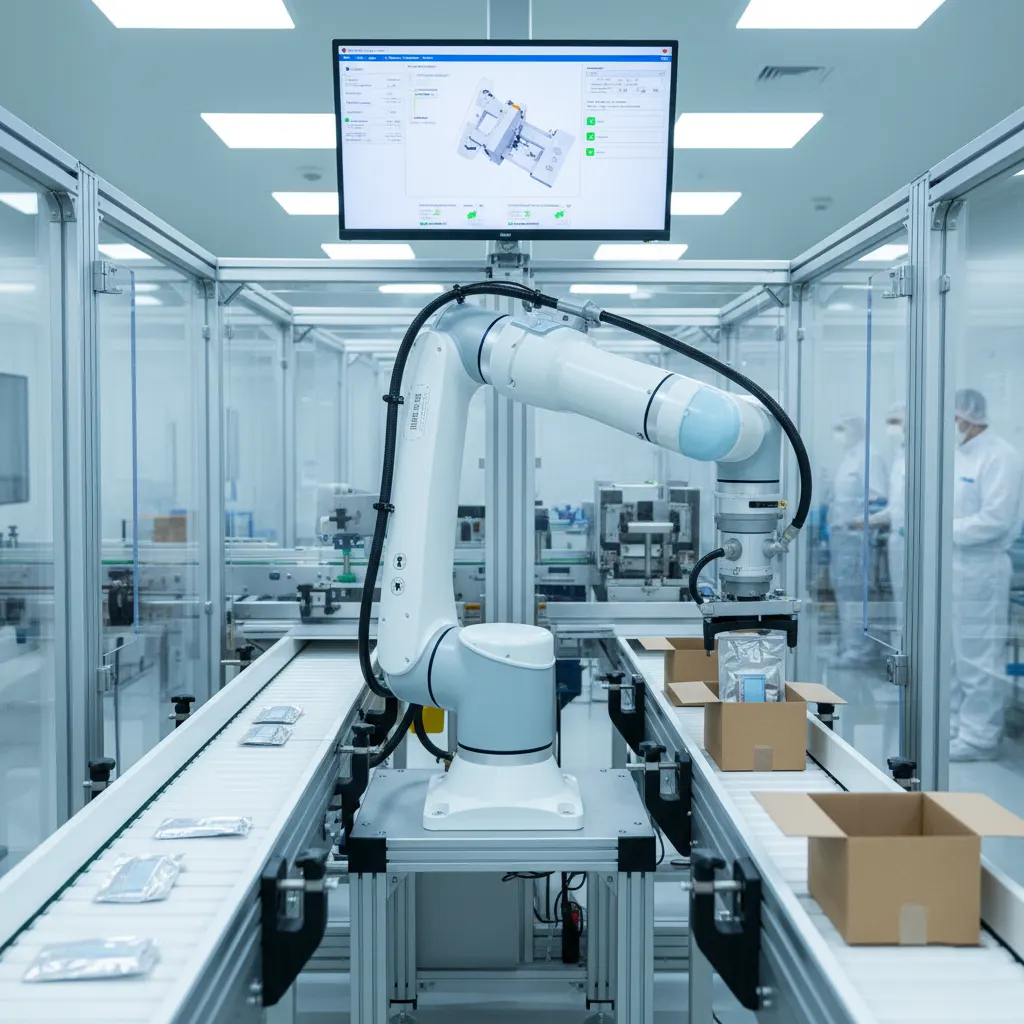
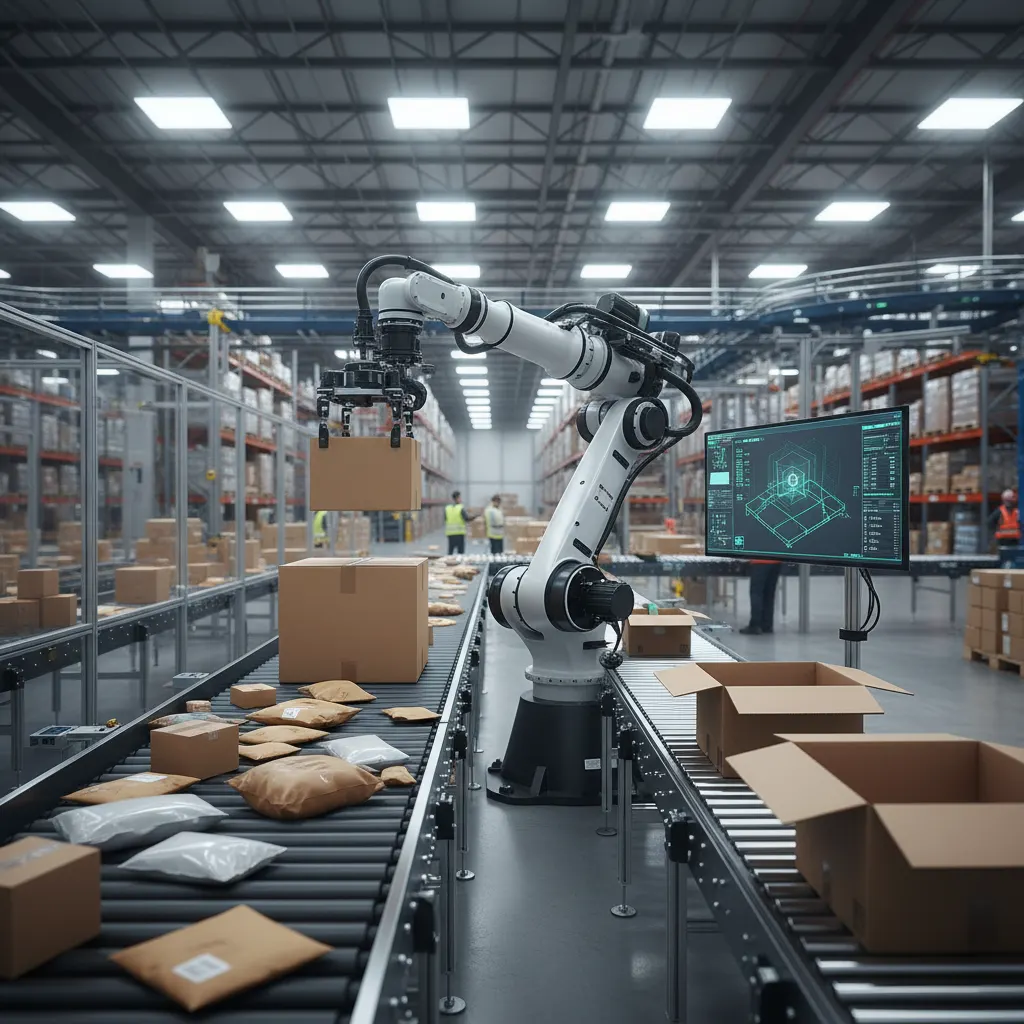
Built for production, across industries.
The same platform, set up by description, drops into very different lines.
Frequently asked questions
- What is vision-based packing?
- Vision-based packing is loading products into a carton using a camera to find each item, rather than a fixture that holds items in known positions. It means the infeed does not have to be indexed, and the same cell can pack products it has not been set up for.
- Can a robot pack soft or deformable items?
- Yes. Rolls, bags and similar items have no rigid shape to plan a fixed pattern around, so ThRiVer plans placements that nest into the carton rather than assuming a rigid box, at up to 900 items per hour.
- What happens when the order changes?
- The cell works out a new layout while it runs, so a different item count, item size or carton does not need a new recipe or reprogramming. You state the order and the cell works out how it fits.