Palletizing
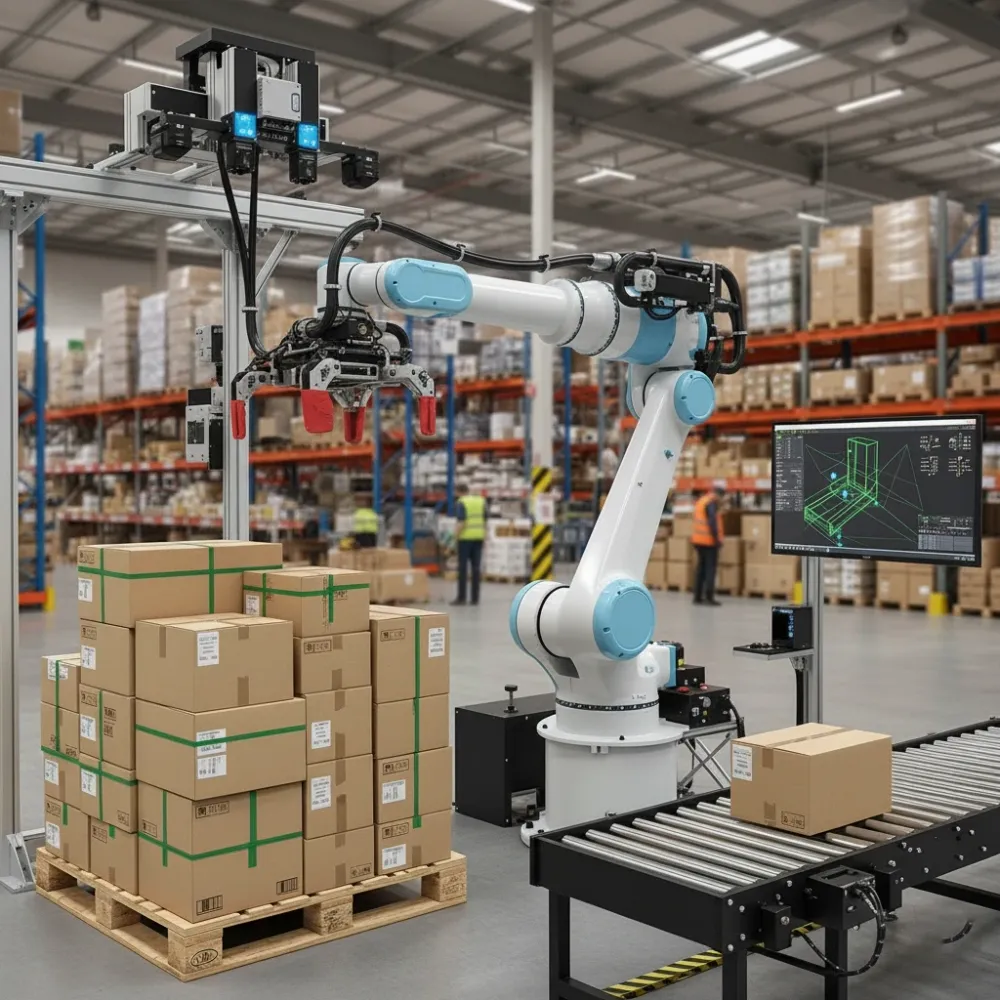
Build a pallet. Stack boxes into a neat, stable pattern with no overhang, and change it in minutes.
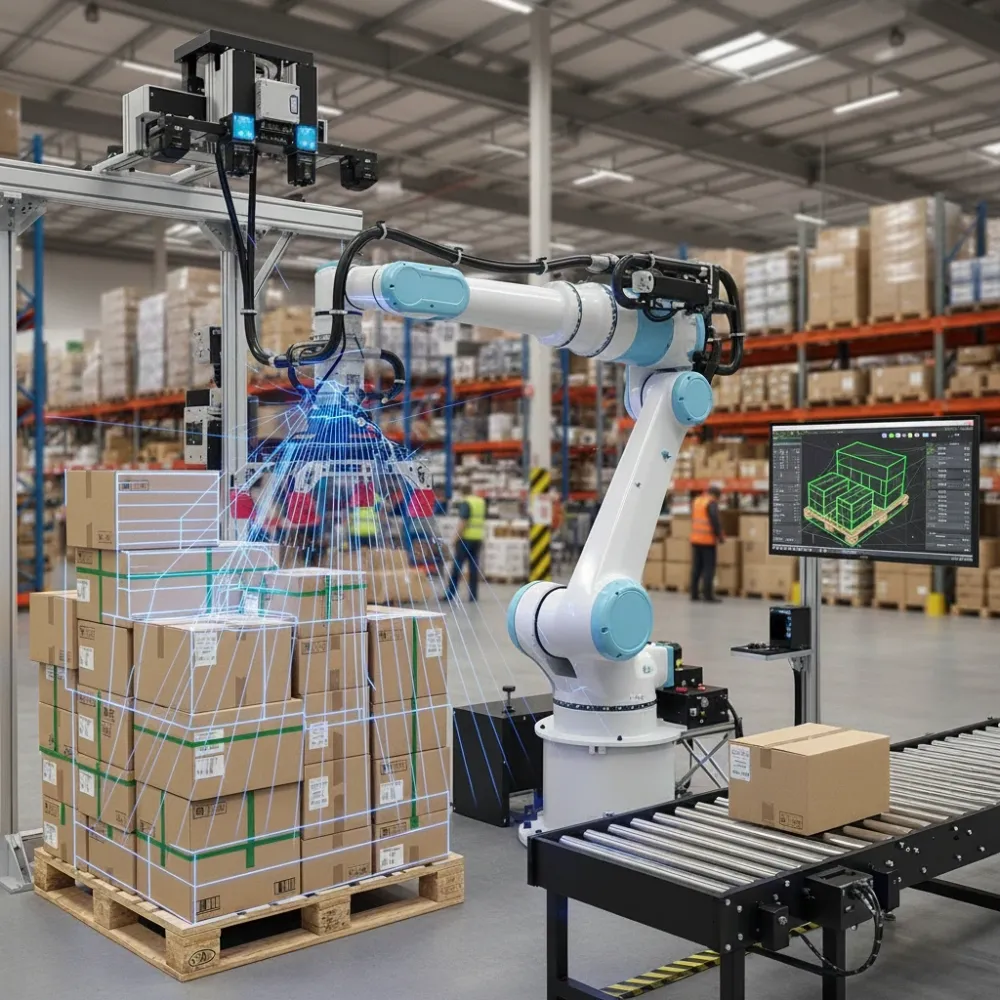
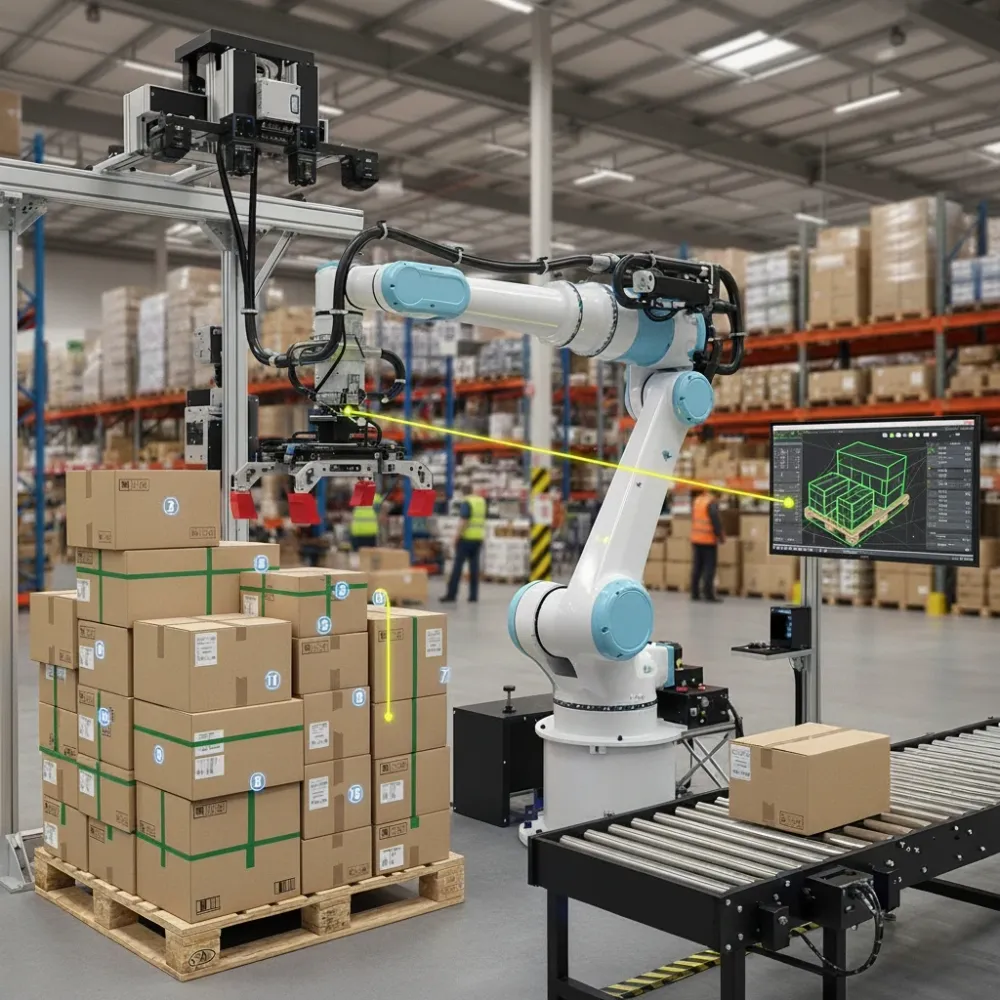
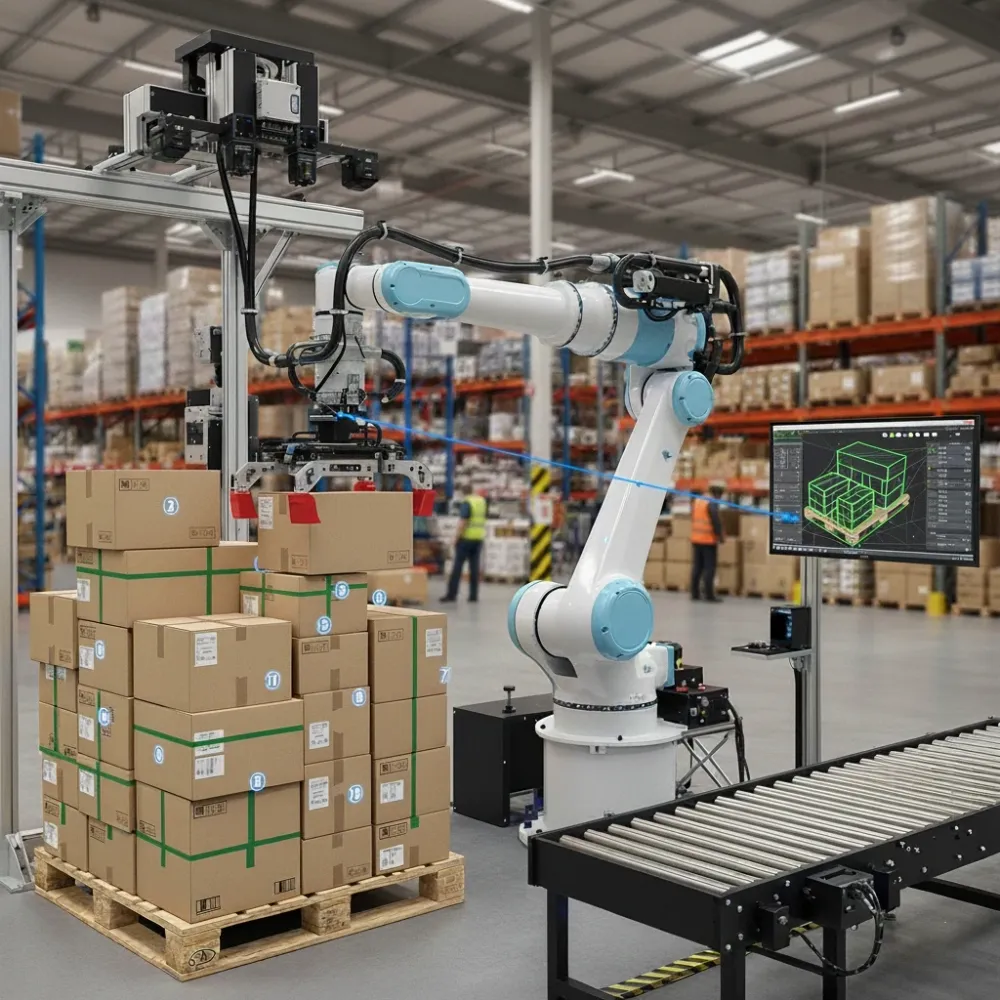
Describe the box, the pattern, and the pallet, and ThRiVer stacks layer by layer, planning around the stack as it grows so a box never hits it. Give it a new job by describing the change, not by re-engineering the cell.
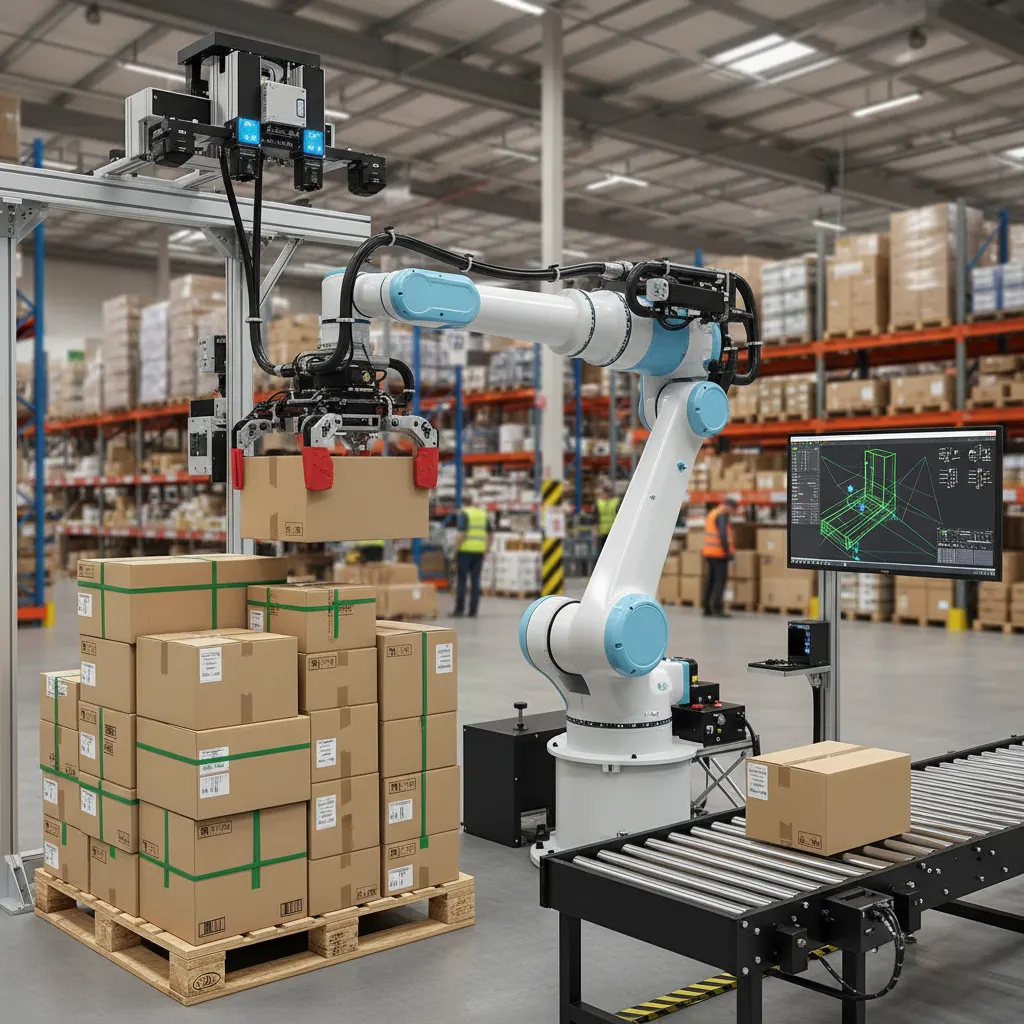
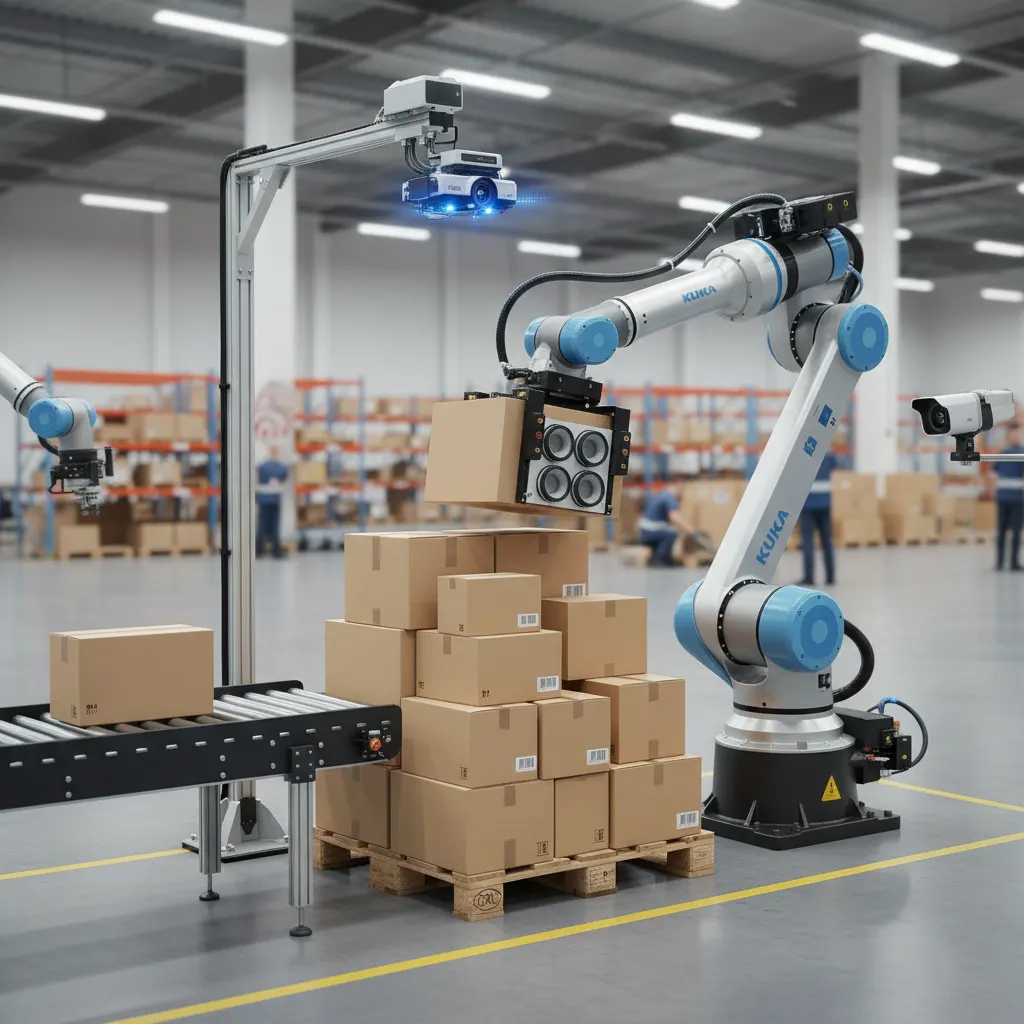
Building a pallet layer by layer, planning each placement around the growing stack.
How ThRiVer runs it.
What it delivers.
How it handles the hard cases.
A demo runs once. Production runs all shift. ThRiVer is built to keep going when an item is not where it should be.
The stack grows
ThRiVer keeps track of the pallet as it grows and re-plans each placement around it, so a box never hits the stack.
A box arrives off-position
The camera reads each box as it arrives, so a box that is not exactly where expected still lands square on the pallet.
Every placement is measured
Cycle time and success are logged per layer, so you see throughput and where time is lost.
Built for production, across industries.
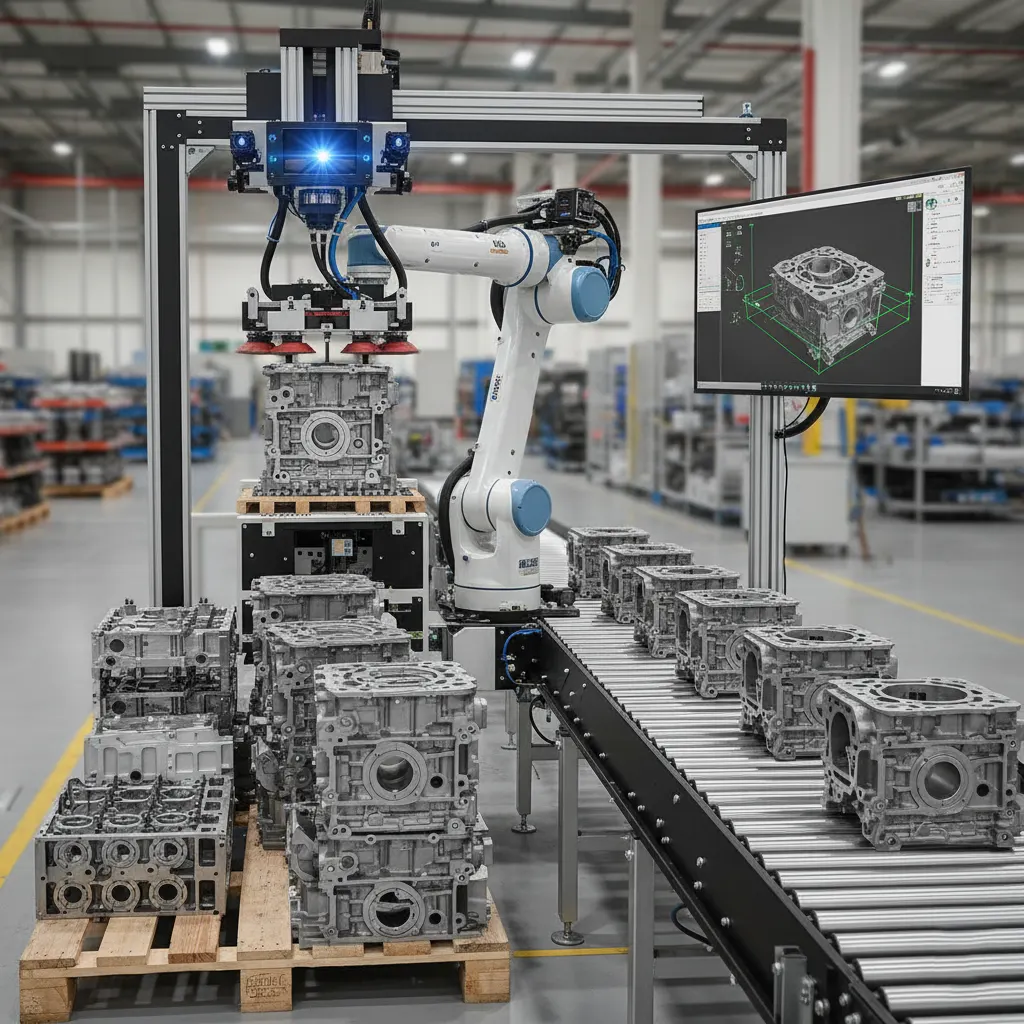
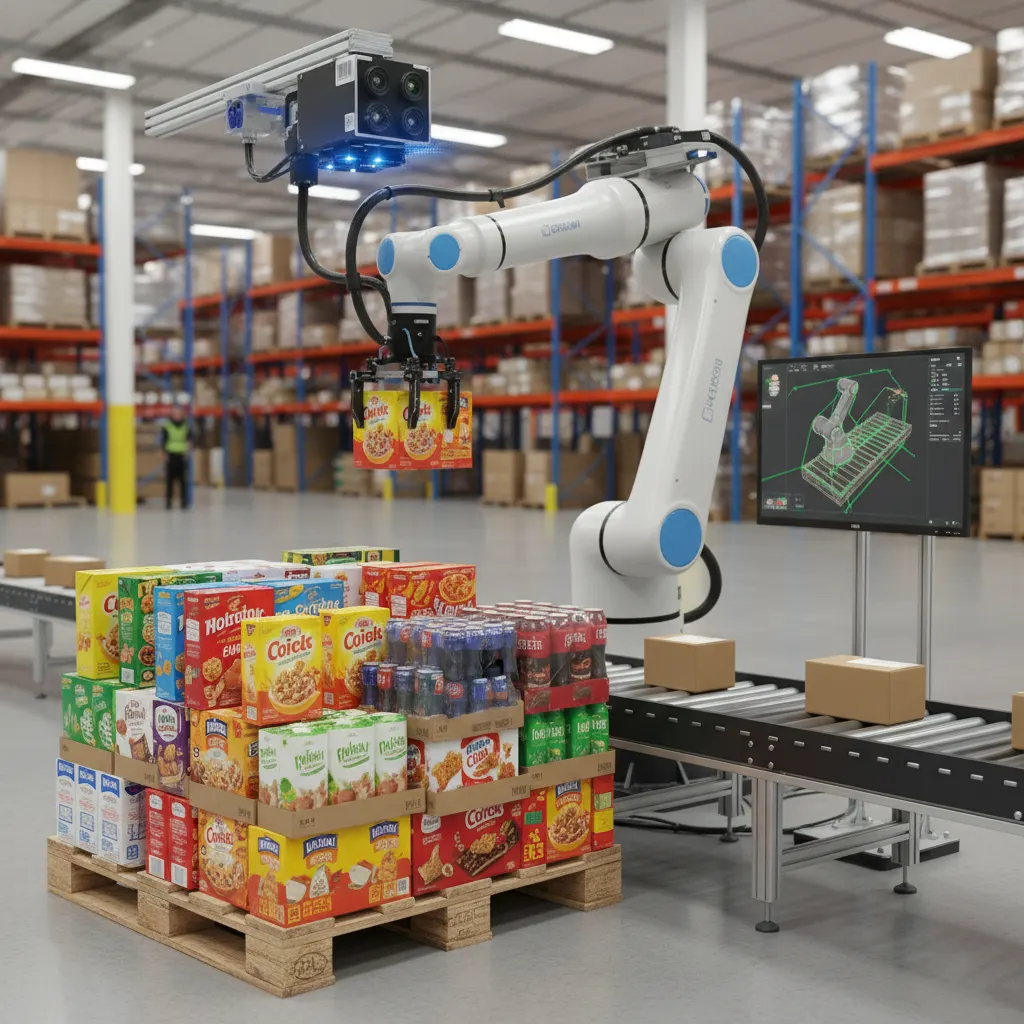
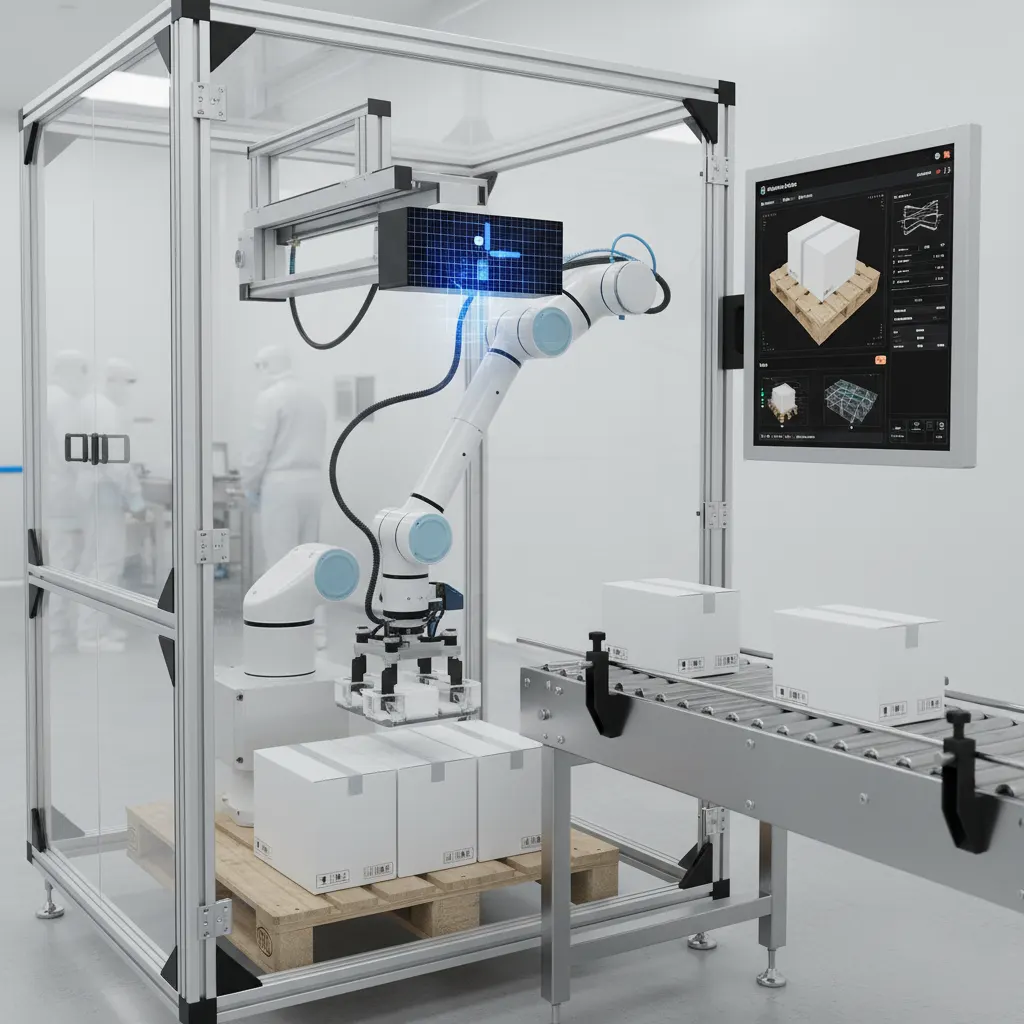
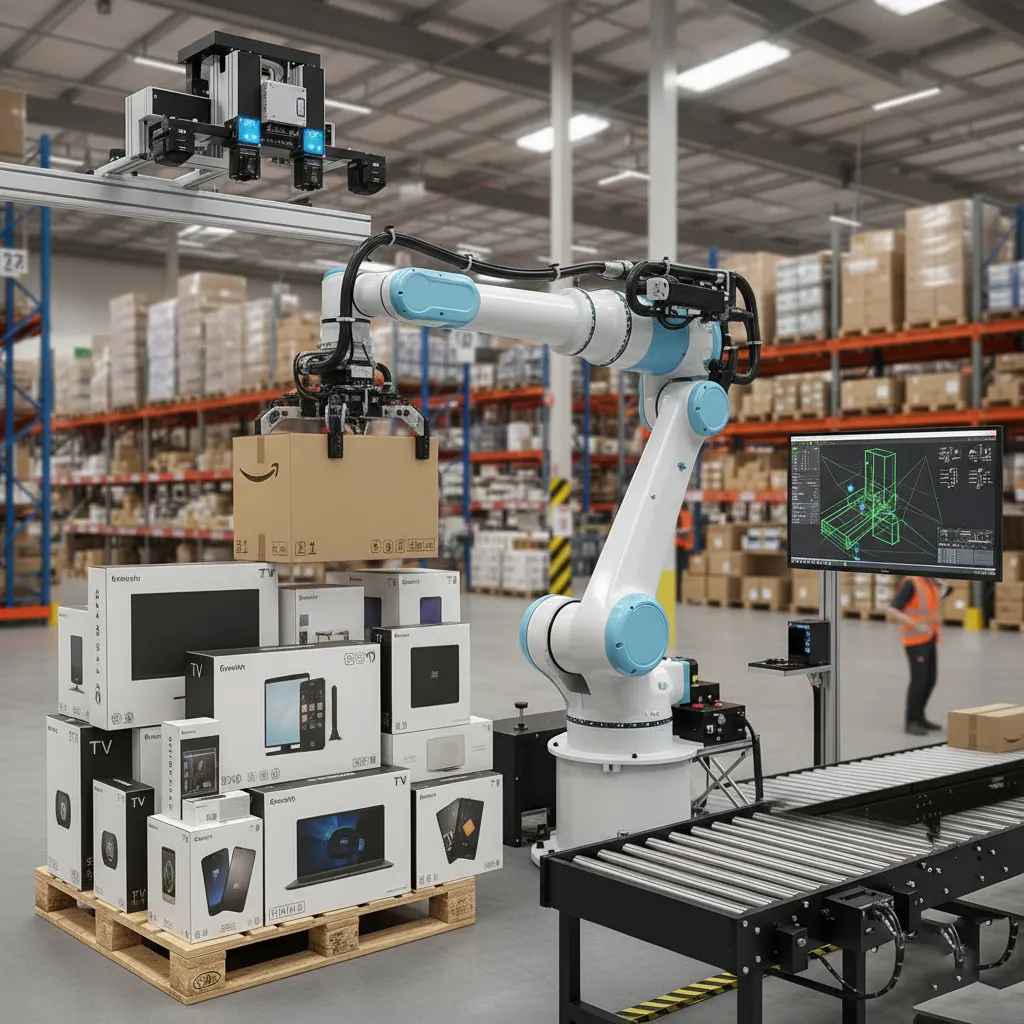
The same platform, set up by description, drops into very different lines.
Frequently asked questions
- How many cases per hour can a robot palletize?
- Up to 800 cases per hour on a ThRiVer cell. The real figure depends on case weight, the distance between infeed and pallet, and the pattern, so it is worth measuring on your own line rather than taking a headline number.
- How do you change the pallet pattern?
- You describe the change. State the new box, pattern or pallet and the cell replans, which takes minutes rather than a return visit from an integrator. There is no pattern editor to maintain and no robot code to rewrite.
- Which pallet sizes are supported?
- EUR and US standard pallet sizes out of the box, and others by describing the dimensions. The pattern is planned against the pallet you specify rather than selected from a fixed library.