
Mixed-case palletizing
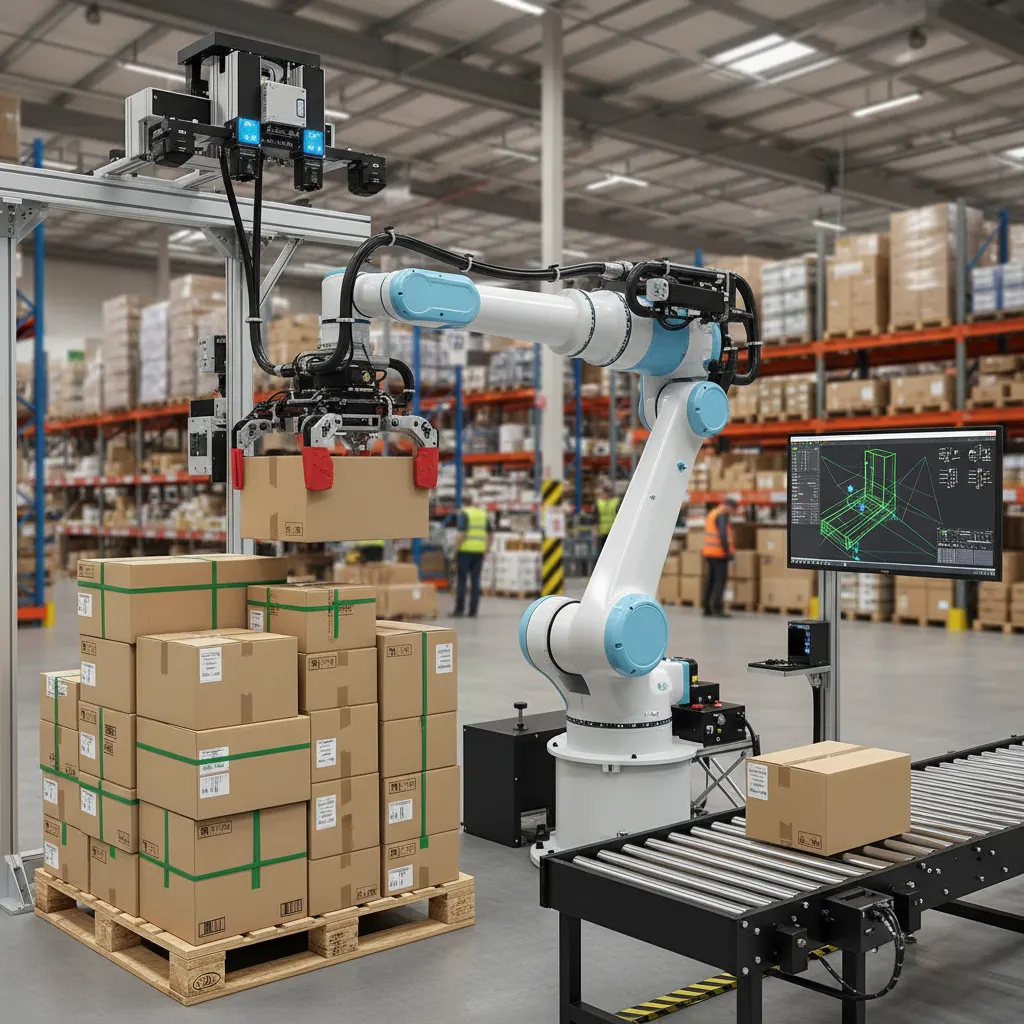
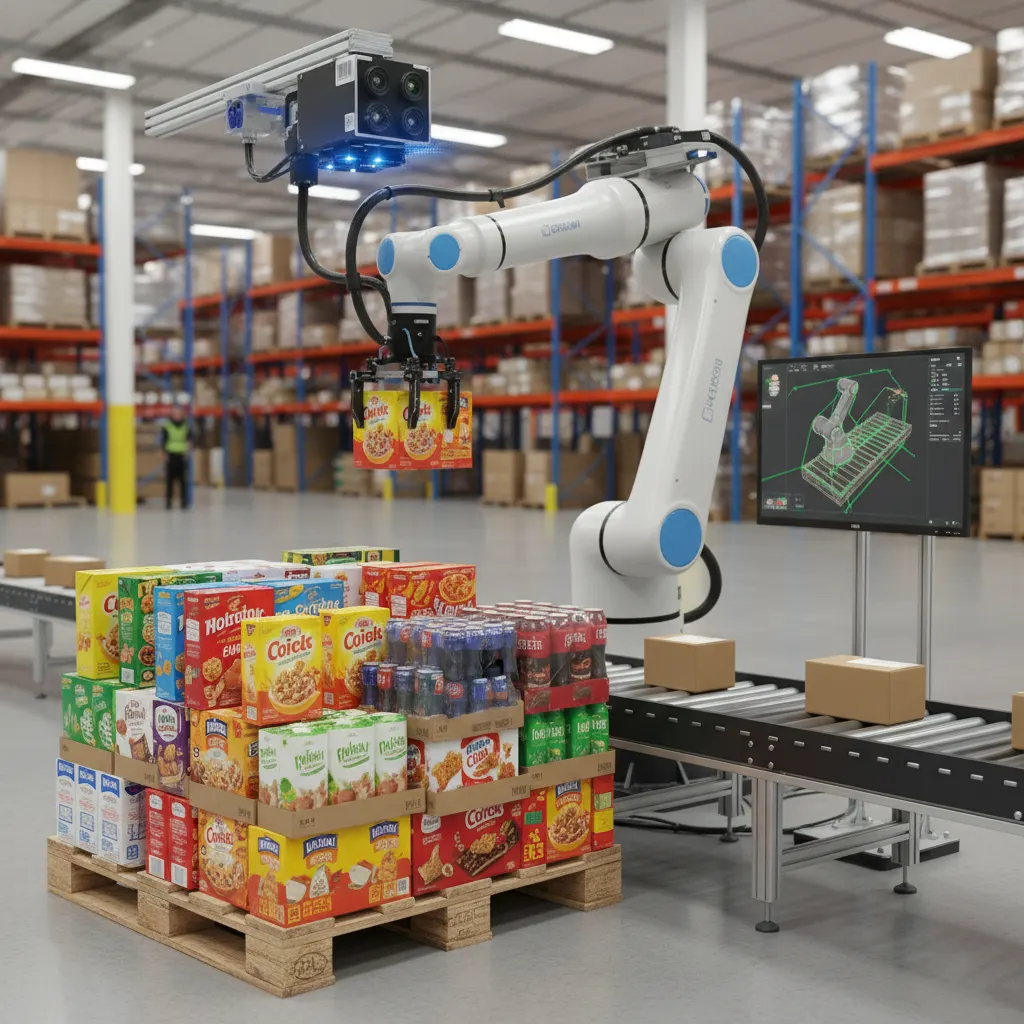
One pallet, boxes of different sizes. Each position is computed from the box in front of it and the stack underneath, not looked up in a pattern.
A fixed pattern only works while every box is the same. Mixed orders break it: sizes arrive in an order nobody planned, and someone finishes the pallet by hand. ThRiVer measures each box as it comes, works out where it fits against what is already stacked, and places it there. No pattern editor, and no re-teaching when the mix changes. It runs the other way too: the same computed approach takes a mixed pallet back down. Also known as mixed-SKU or mixed-size palletizing.
Each box is placed against what is already on the pallet, with the position computed from its size and the stack, rather than from a fixed pattern.
How ThRiVer runs it.
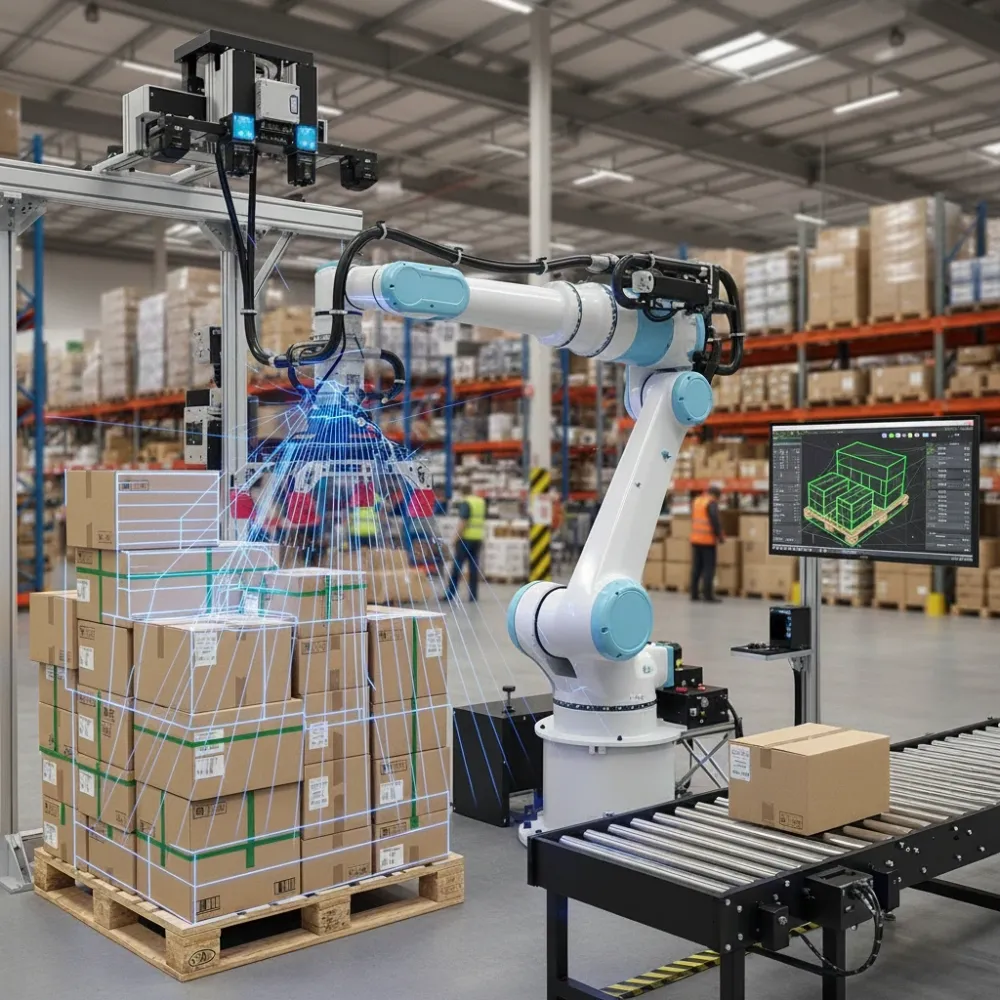
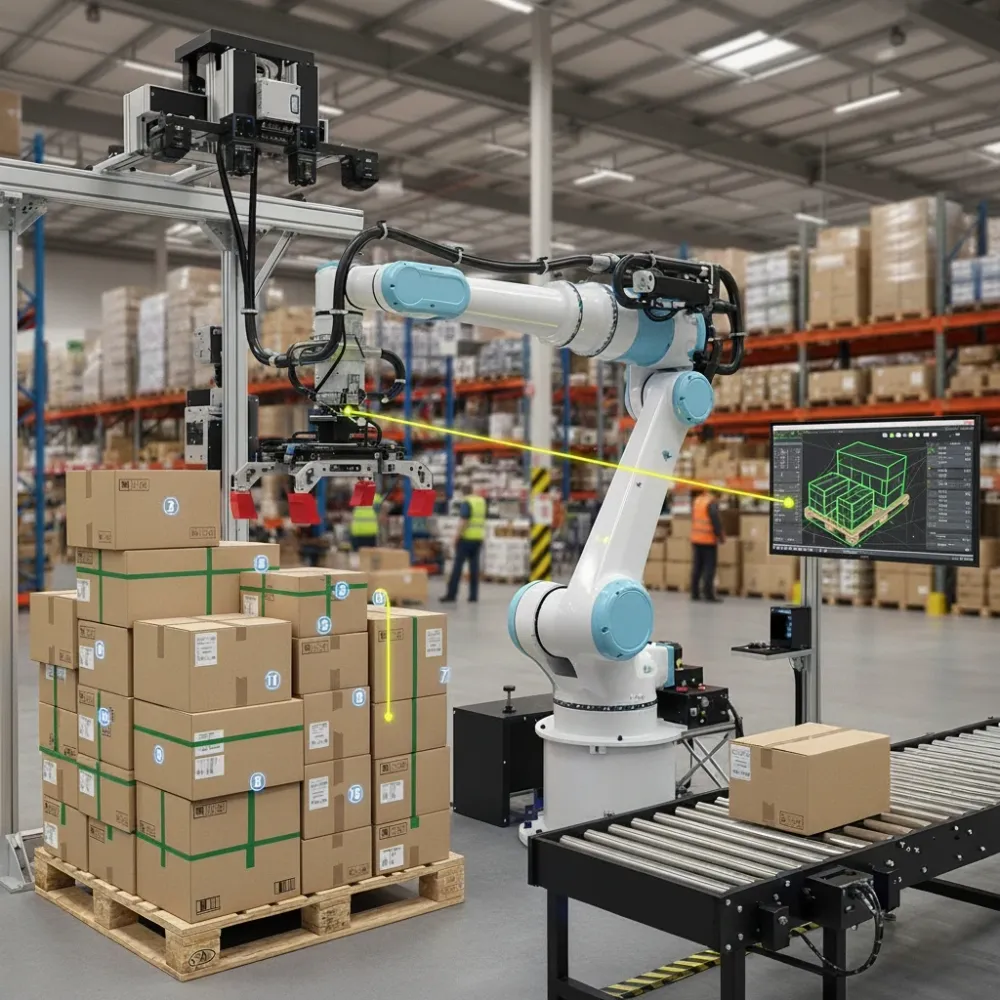
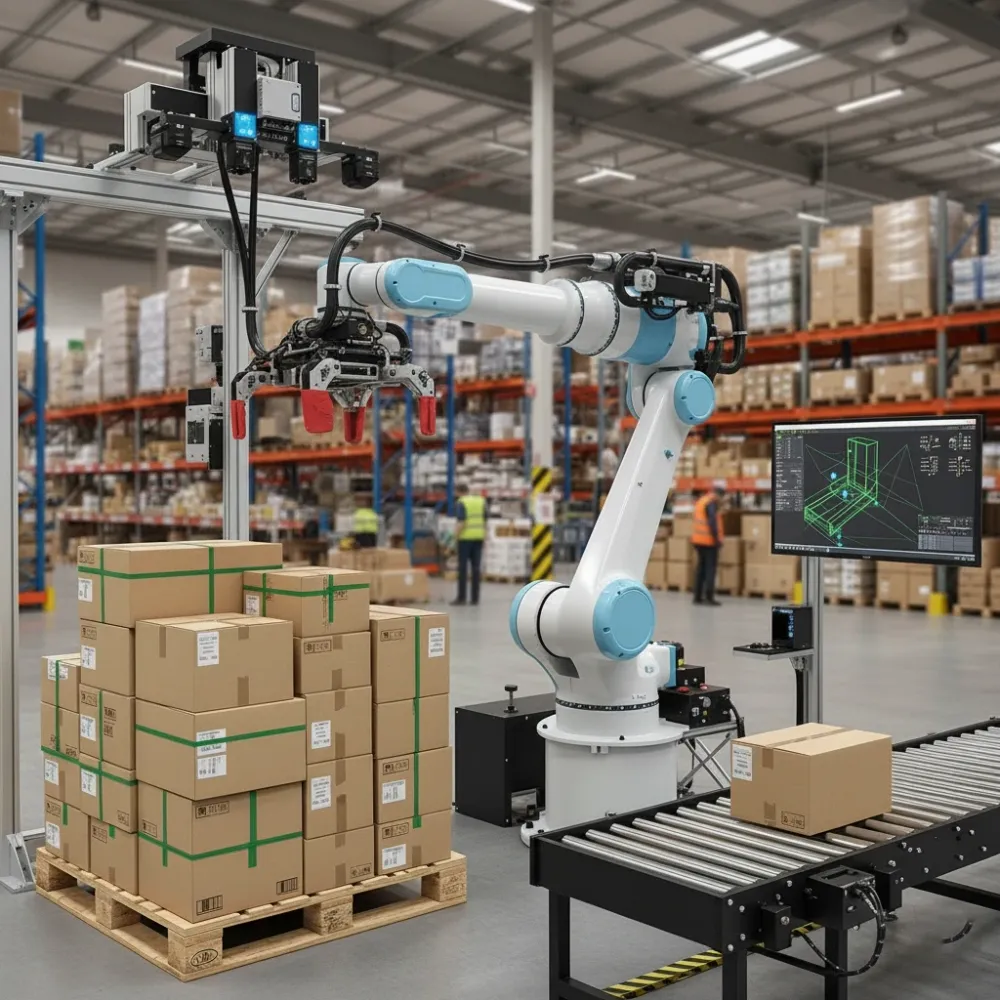
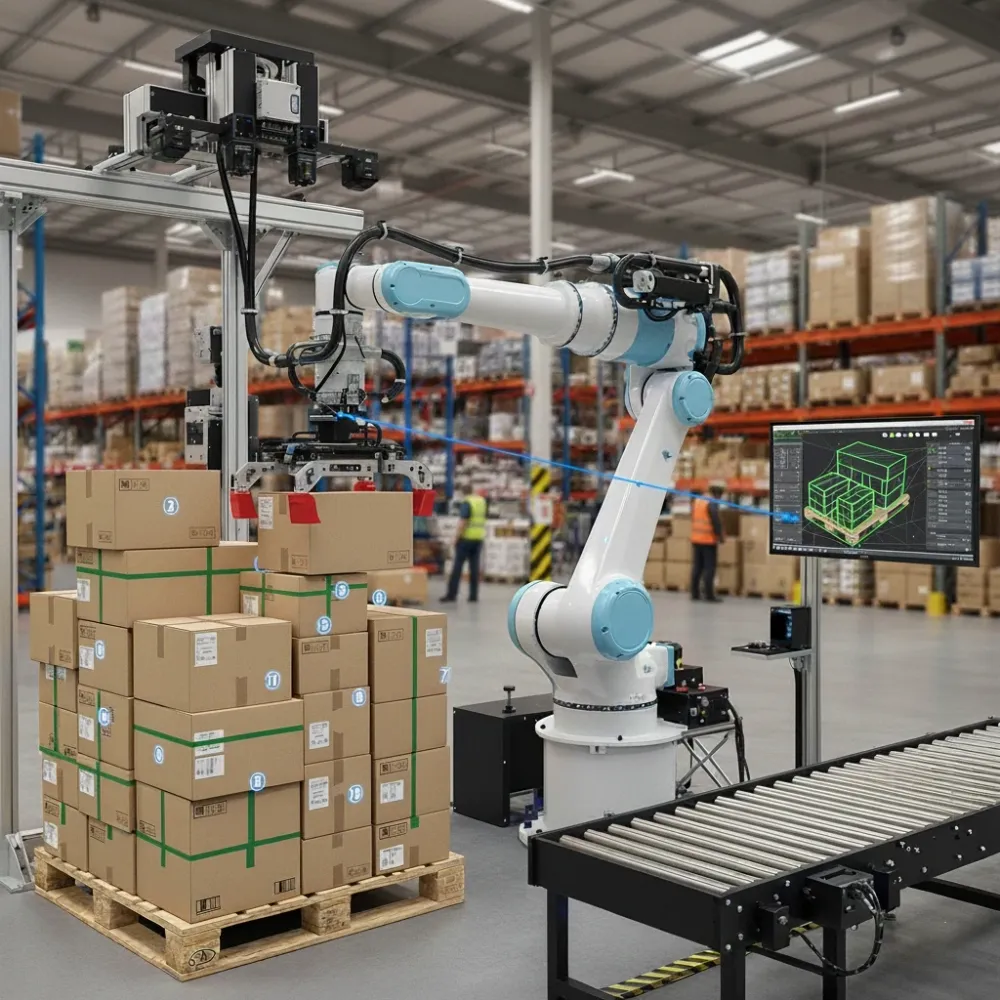
What it delivers.
How it handles the hard cases.
A demo runs once. Production runs all shift. ThRiVer is built to keep going when an item is not where it should be.
A box size turns up unannounced
Because the position is computed rather than looked up, a size nobody configured is placed like any other.
The layer underneath is uneven
ThRiVer plans against the pallet as it actually is, so an imperfect layer does not cascade into the next one.
Every placement is logged
Box size, position and cycle time are recorded, so you can see how the mix affects throughput.
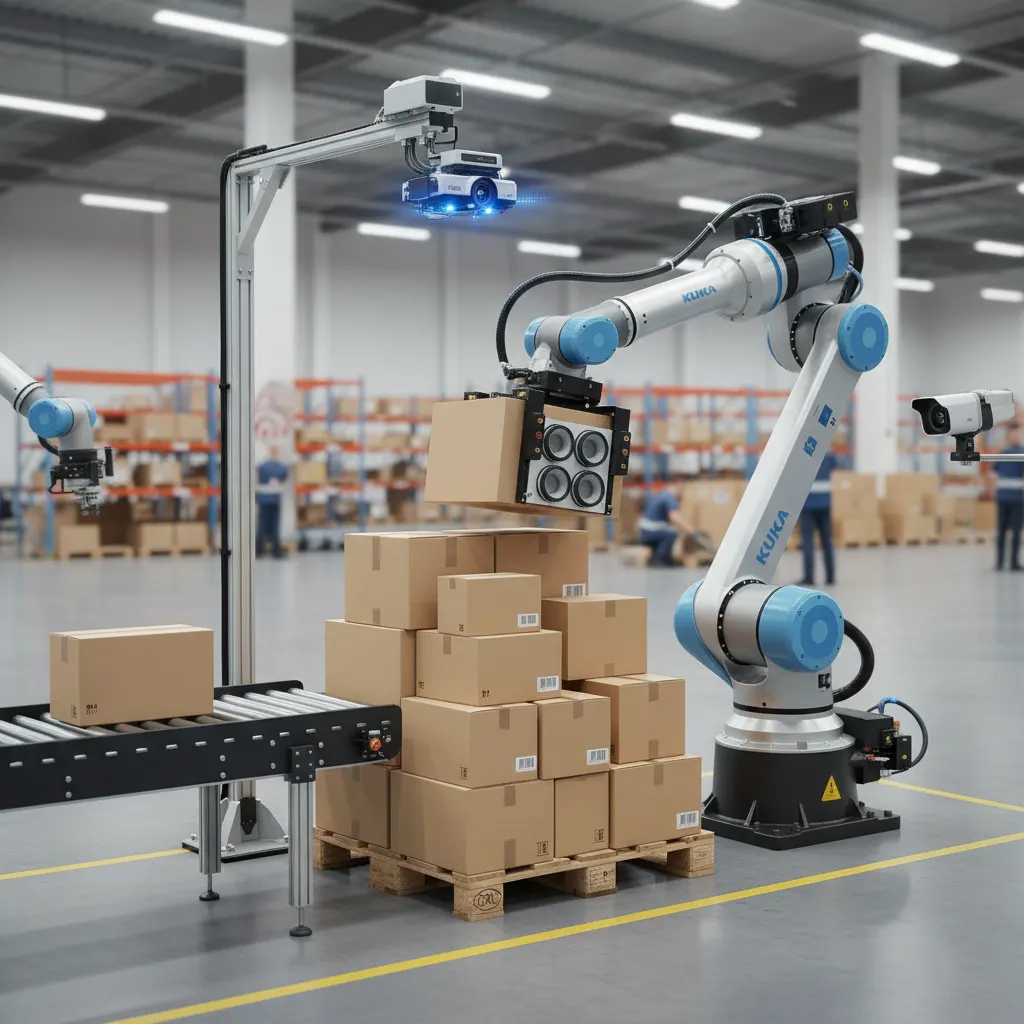
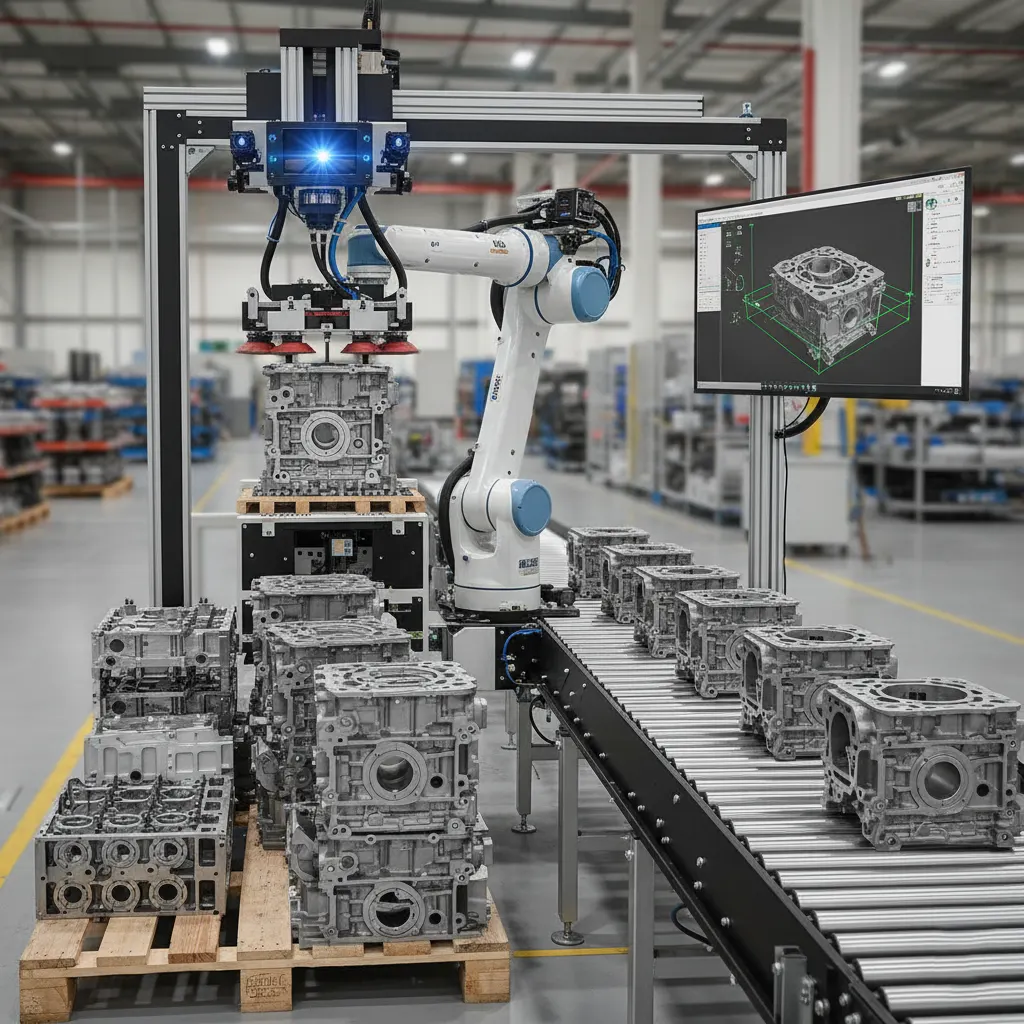
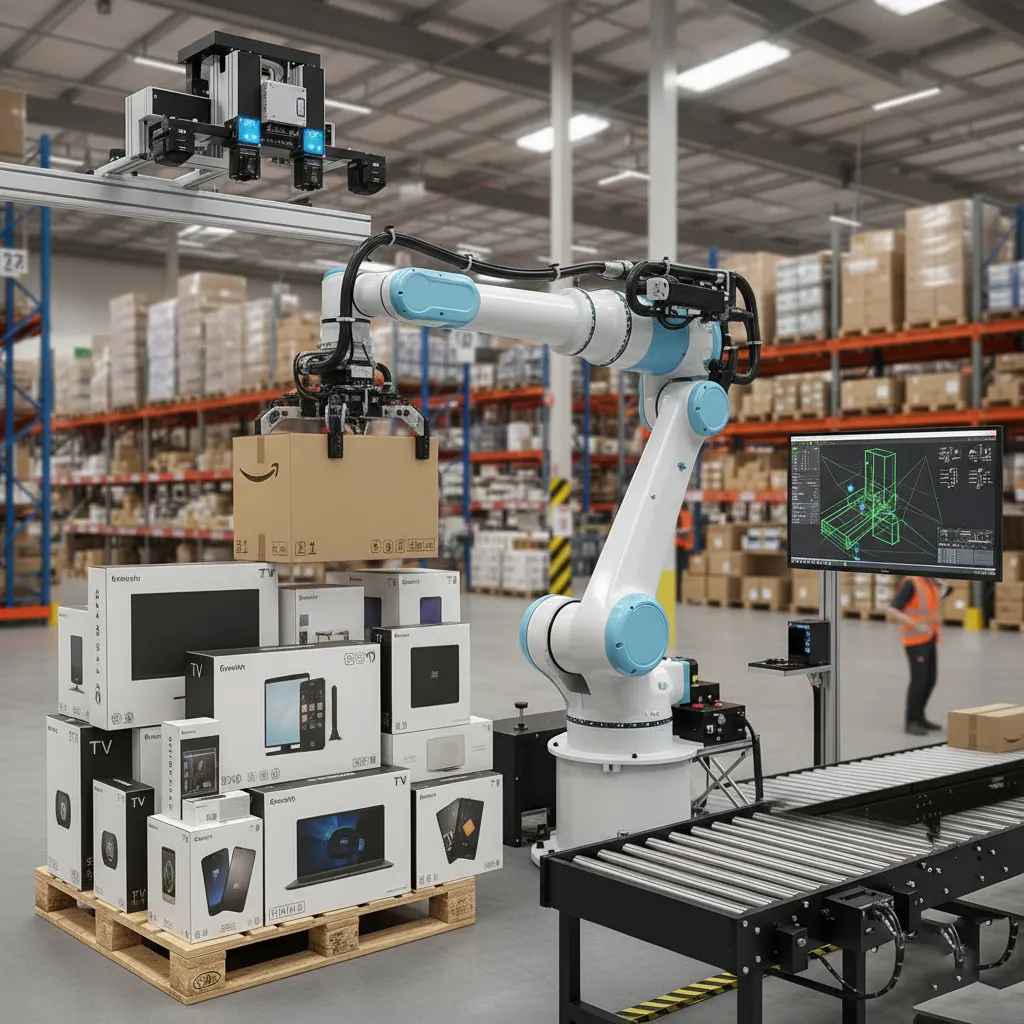
Built for production, across industries.
The same platform, set up by description, drops into very different lines.
Frequently asked questions
- What is mixed-case palletizing?
- Mixed-case palletizing is building one pallet from boxes of different sizes, rather than repeating a single pattern for identical cases. It is also called mixed-SKU or mixed-size palletizing. Each position has to be worked out from the box in front of the robot and the stack already underneath it, because no stored pattern can cover every combination.
- How is it different from normal palletizing?
- Normal palletizing repeats a pattern you defined in advance, which works while every box is the same. Mixed-case palletizing works out each placement while it runs, so a box size nobody configured is placed like any other and a change in the order mix needs no re-teaching.
- Can it take box weight into account?
- Yes, when a wrist force/torque sensor is fitted, which lets the cell estimate the weight of each box and use it alongside size when deciding the stacking order. Without that sensor, placement is computed from dimensions and the current stack.