Ask anyone who has tried to automate bin picking with shiny metal parts, and you will hear the same story: the demo looked great on matte plastic, then the real parts arrived and the vision fell apart.
The problem is light, not the robot
Conventional 3D vision works by projecting a pattern and reading it back. Reflective surfaces bounce that pattern in every direction, and parts jumbled in a bin reflect off each other and off the bin walls. The camera sees noise where it needs a clean surface, so the system either misses parts or reports a pose that is slightly wrong, which turns into a mispick on the floor.
For a plant, that means a “working” cell that stops every few minutes for someone to clear a jam. The math for automation stops adding up.
How ThRiVer handles it
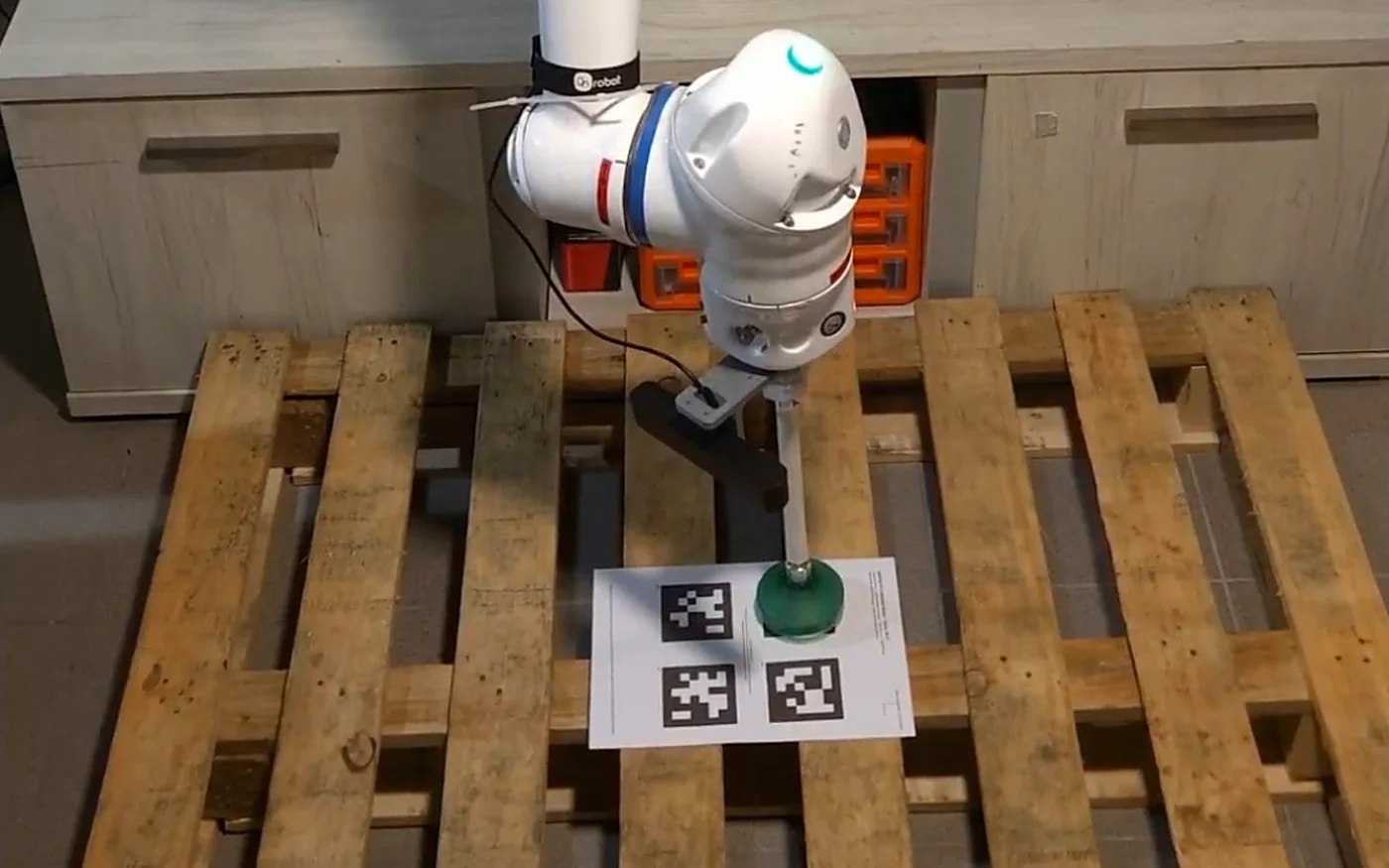
ThRiVer combines AI with proven vision techniques to find parts that are hard to see, including shiny, reflective, and jumbled ones, with no training data and no per-part tuning. It works out each part’s position and angle, picks the best one, and repeats until the bin is empty. New parts need a description of the job, not a dataset.
The result is the part of physical AI that is genuinely hard, running when you press start: reliable picks from a real bin of real parts, not a curated demo.
Want to see it on your parts? Send us a sample and we will show you the cell picking them.